Introduction to Trezor Login
Trezor Login refers to the secure process of accessing and managing cryptocurrency accounts using a Trezor hardware wallet. Unlike traditional online wallets or exchange accounts that rely on usernames and passwords, Trezor login is built on hardware-based authentication. This approach ensures that users maintain complete control over their digital assets without exposing private keys to online threats.
In the cryptocurrency ecosystem, security and ownership go hand in hand. Trezor Login is designed to protect users from hacking, phishing, malware, and unauthorized access by requiring physical confirmation on a trusted hardware device. This system reflects the core philosophy of self-custody and decentralization that cryptocurrency was built upon.
How Trezor Login Works
Trezor Login does not function like a conventional login system. There are no stored passwords, email addresses, or centralized databases. Instead, access is granted only when the Trezor hardware wallet is physically connected and unlocked.
When a user initiates a login session, the hardware wallet confirms identity by signing cryptographic messages internally. Private keys never leave the device, and all sensitive actions require confirmation on the device screen. This ensures that even if the connected computer is compromised, unauthorized access remains impossible.
The Role of the Hardware Wallet
The Trezor hardware wallet is the core of the login process. It stores private keys securely in an offline environment, completely isolated from the internet. This design significantly reduces the attack surface compared to software-based wallets.
During login, the device verifies user identity through PIN entry and physical interaction. Without the device, login is not possible, making remote attacks ineffective. This hardware-first approach is what makes Trezor Login one of the most secure access methods in cryptocurrency management.
PIN Protection and Device Security
A PIN code is required every time the Trezor device is unlocked. This PIN protects the wallet if the device is lost or stolen. Trezor Login requires PIN entry directly on the device, preventing keylogging or screen-capture attacks from infected computers.
Each incorrect PIN attempt increases the delay before another attempt can be made. This feature discourages brute-force attacks and provides additional protection against unauthorized physical access.
Recovery Seed and Account Access
The recovery seed is a critical component of Trezor Login security. Generated during the initial setup, the recovery seed allows users to restore access to their wallet if the device is lost, damaged, or replaced.
Trezor Login relies on the recovery seed as the ultimate backup. Anyone with access to the recovery seed can recreate the wallet and gain control over its assets. For this reason, the recovery seed must be stored offline, kept private, and protected from damage or exposure.
Logging In Through Trezor Suite
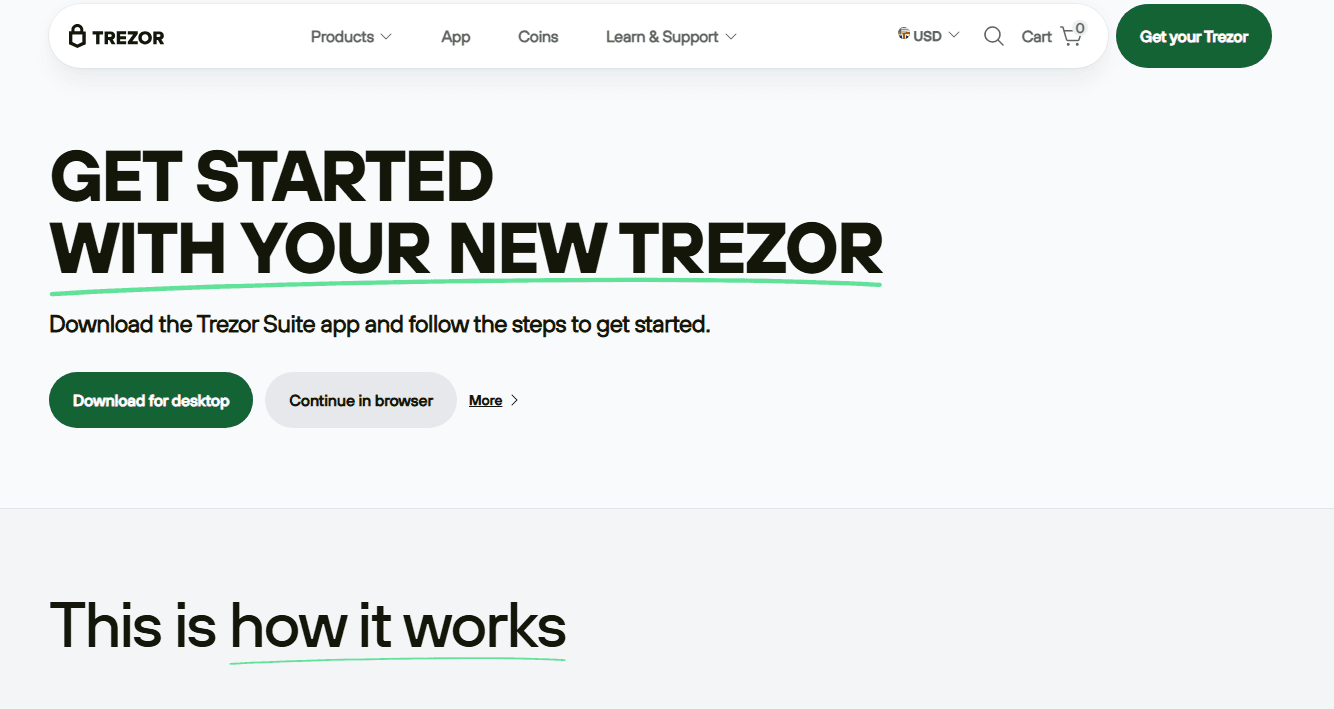
Trezor Login is commonly performed through Trezor Suite, the official interface for managing cryptocurrency accounts. Trezor Suite acts as a bridge between the user and the hardware wallet while ensuring that private keys remain securely on the device.
When logging in through Trezor Suite, users connect their hardware wallet, unlock it with their PIN, and confirm access. The software displays balances, transaction history, and account options, while all approvals are handled directly on the device.
Transaction Verification During Login Sessions
Security does not end at login. During any session initiated through Trezor Login, all transactions must be physically confirmed on the device. Details such as recipient address and transaction amount are displayed on the Trezor screen for verification.
This verification step ensures that transactions cannot be altered by malicious software. Even if malware attempts to change transaction details, the device confirmation prevents unauthorized transfers.
Privacy and Decentralized Authentication
Trezor Login supports privacy by eliminating centralized authentication systems. There is no account registration, no password storage, and no data collection tied to user identity. Authentication is handled entirely by cryptographic proof stored within the hardware wallet.
This decentralized login approach reduces the risk of data breaches and identity theft. Users maintain anonymity while retaining full ownership of their cryptocurrency accounts.
Common Login Errors and How to Avoid Them
While Trezor Login is highly secure, users may encounter issues if best practices are not followed. Common mistakes include forgetting the PIN, mishandling the recovery seed, or attempting to log in on untrusted devices.
To avoid problems, users should always verify device prompts, double-check PIN entries, and ensure recovery seed backups are stored securely. Using trusted computers and maintaining updated firmware also helps ensure smooth login sessions.
Firmware Updates and Login Security
Firmware updates play a vital role in maintaining secure login functionality. Updates often include security enhancements, performance improvements, and support for new blockchain features.
Trezor Login requires users to verify firmware updates directly on the device. This process ensures that only authentic and verified updates are installed, preserving the integrity of the wallet and login mechanism.
Who Should Use Trezor Login
Trezor Login is suitable for anyone who values security and full ownership of their digital assets. Beginners benefit from the simplicity of device-based authentication, while advanced users appreciate the robust protection against cyber threats.
Long-term investors, frequent traders, and privacy-focused users all benefit from Trezor Login’s hardware-based approach. It removes dependence on centralized platforms and gives users confidence that their assets remain under their control.
Best Practices for Secure Trezor Login
To maintain maximum security during login, users should follow these best practices:
Store the recovery seed offline and never share it
Use a strong and unique PIN
Verify all on-device prompts carefully
Keep firmware up to date
Avoid using unknown or public computers
These habits significantly reduce the risk of asset loss or unauthorized access.
Conclusion
Trezor Login offers a secure, private, and reliable way to access cryptocurrency wallets. By relying on hardware-based authentication instead of traditional login credentials, it eliminates many of the vulnerabilities associated with online wallets and centralized systems.
Through PIN protection, recovery seed backups, physical transaction verification, and decentralized authentication, Trezor Login ensures that users remain in full control of their digital assets at all times.
For anyone serious about cryptocurrency security, Trezor Login provides a trusted and proven method to manage assets safely, protect private keys, and confidently participate in the digital economy with peace of mind.